
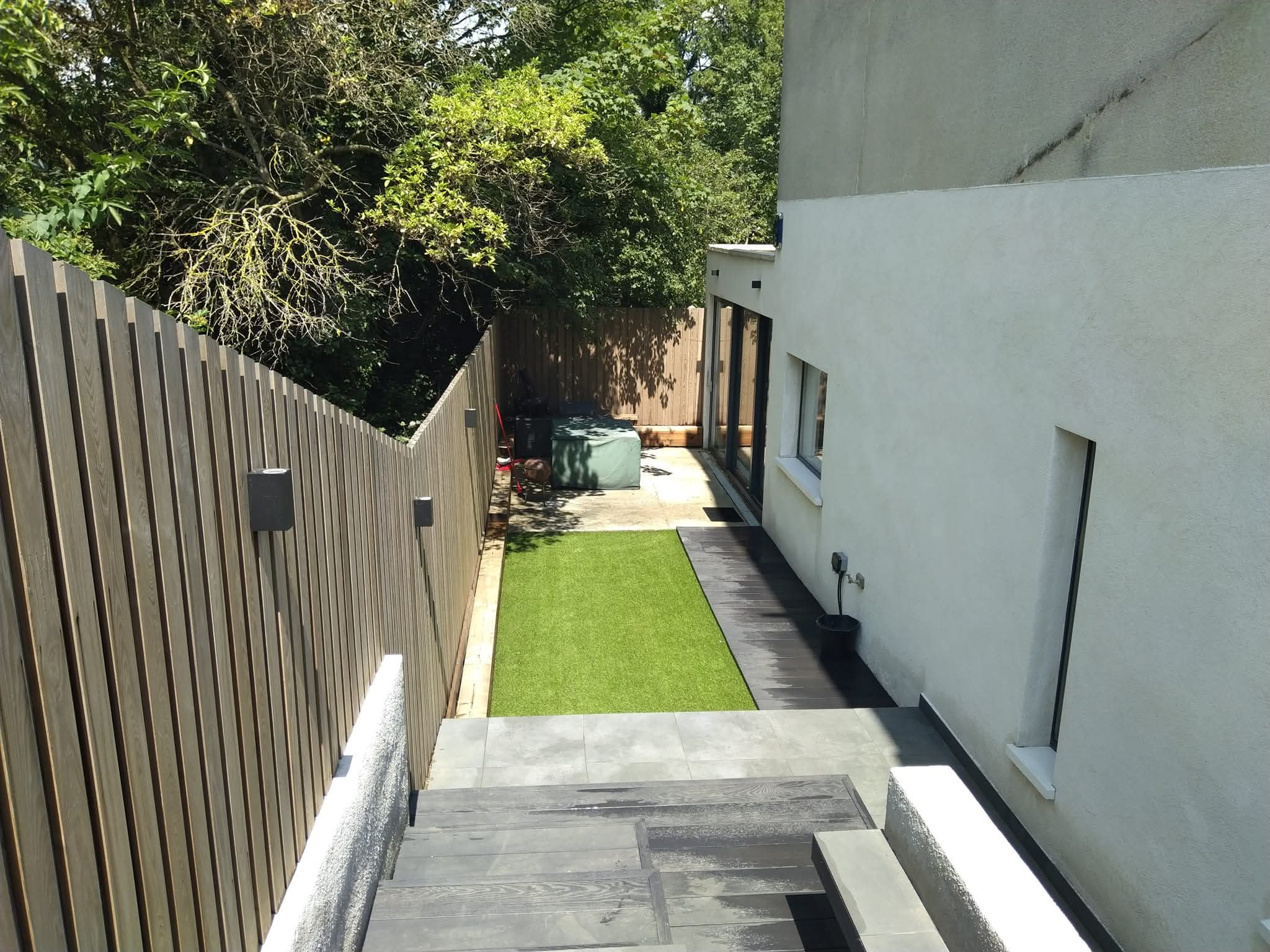
Good gardening in Kingston upon Thames starts with the garden you actually have. A narrow plot behind a terrace, a shaded family garden and a sunny courtyard need different solutions. The aim is not to fit every idea into the space, but to make it easier to use, more pleasant to look at and realistic to maintain.
Whether you live in Kingston, Norbiton or another nearby neighbourhood, begin with the conditions on your own plot rather than assuming every local garden has the same soil or light. This guide covers a sensible route from an initial assessment to planting, seasonal maintenance and a practical outdoor makeover.
Read your garden before redesigning it
Spend time outside at different points in the day. Note which areas receive direct sun, where the ground stays damp after rain and which routes you take most often. A seating area planned only from a photograph may end up in a cold corner or interrupt the route to a shed.
Draw a simple plan with the house, doors, boundaries, established plants and any changes in level. Add the things you need to accommodate: bins, bikes, a washing line, play space or outdoor dining. Decide which features are essential and which can wait. That plan makes a garden transformation easier to discuss and prevents attractive details from crowding out everyday needs.
Solve recurring maintenance problems first
Patchy grass, beds that dry out quickly and persistent muddy areas can have different causes. Shade, foot traffic, compacted ground and drainage deserve attention before money is spent on a new finish. Replacing the same struggling lawn without changing its conditions is unlikely to produce a better long-term result.
Start garden maintenance in Kingston with achievable tasks: clear debris, define edges, remove unwanted growth and assess damaged fencing. Keep established plants that contribute shade, privacy or structure. If water collects near the house or an outdoor surface needs substantial rebuilding, have the cause and proposed levels assessed before choosing materials.
Create zones that work together
A useful garden makeover might combine a small seating area, a clear route through the garden and a manageable planting border. You do not need a separate zone for every activity. A patio can provide space for breakfast and an evening gathering; a bench can also define the edge of a bed.
Measure furniture with chairs pulled out, not just tucked beneath the table. Check that doors can open and that the route remains usable. On a long narrow plot, consider placing planting where it softens the view and breaks up an uninterrupted corridor. Leave enough access to look after every part of the garden.
Plan lawn care around the conditions
A lawn is a practical option where the light and intended use suit it. Choose a maintenance routine that responds to growth and weather rather than cutting it to the same height regardless of conditions. The RHS advises reducing mowing frequency and raising the cutting height during dry weather. Established grass often recovers after rain, while a newly laid or sown lawn needs appropriate establishment care.
In a heavily shaded corner, assess whether grass is the best use of the space. A suitable planted border or a modest seating area may work better than repeatedly trying to repair weak turf. If you want a lawn for children or pets, explain that use when planning the layout so it is considered alongside planting and access.
A simple seasonal maintenance plan
- Spring: review winter damage, tidy edges and check how the garden is growing before planning repairs.
- Summer: monitor new planting and containers, adapt mowing to the weather and keep frequently used routes clear.
- Autumn: collect leaves from paths, review struggling areas and plan improvements while the layout is easy to assess.
- Winter: check structures and drainage after poor weather, and use the quieter period to prepare the next project brief.
Pruning and planting times vary by plant. Keep a simple list of what is growing in the garden and check the appropriate care instructions instead of applying one seasonal rule to everything.
Choose plants for the place
Think in layers: structural plants that give the garden shape, smaller plants that add seasonal interest, and ground coverage where bare soil would otherwise invite repeated weeding. Repeat a few suitable plants rather than buying one of everything. This often makes a small space feel more coherent and simplifies care.
For a sunny, freely draining position, lavender can be an option; the RHS lavender growing guide explains its need for sun and good drainage. It is not a universal answer for a damp or shaded bed. For dry shade, consider plants selected specifically for that combination, with soil preparation and establishment watering suited to them. The RHS guide to dry, shady spots provides ideas.
Containers can add greenery where planting into the ground is difficult, but they still need attention. Check mature size, water needs and whether the container can be moved or maintained comfortably. Leave room for plants to grow rather than judging the design only on installation day.
Make patios and fencing part of the plan
Hard surfaces should support how you use the garden. Compare material samples for appearance, texture, cleaning needs and how they sit beside the house. Assess levels and drainage before committing to a patio, particularly near door thresholds. Retaining structures and significant changes in level need suitable assessment rather than a purely decorative solution.
Fencing can provide a calmer background for planting, but its condition and purpose matter. Discuss privacy, access and how the fence will be maintained. Include the removal of old materials and delivery access in the brief, especially if the route to the garden passes through the home.
Design for manageable maintenance
A low-maintenance garden is one whose tasks match the time you can give it. Keep beds accessible, avoid awkward corners and choose plants with suitable mature sizes. A small, well-planned planted area can be easier to manage than numerous pots spread across every surface.
Separate essential work from optional upgrades. If the budget is limited, prioritise a usable route, safe surfaces and resolving recurring problems. Seating, decorative pots and additional planting can follow. Look through the Haya UK project gallery for outdoor photographs, without assuming each image represents a project in Kingston.
Discuss your Kingston garden with Haya UK
Haya UK offers garden and home maintenance and residential garden transformations. Send your postcode, photographs and the main things you want to improve. For a garden transformation in Kingston upon Thames, include how you use the space and how much maintenance you want to take on, so the discussion starts with a plan that fits your life.
Planning a garden improvement in Kingston upon Thames?
Tell us about your property, the work you have in mind and your priorities. Haya UK offers quality, cost-effective property solutions across London.
Request a quote